

AGS ROAD PROJECTS
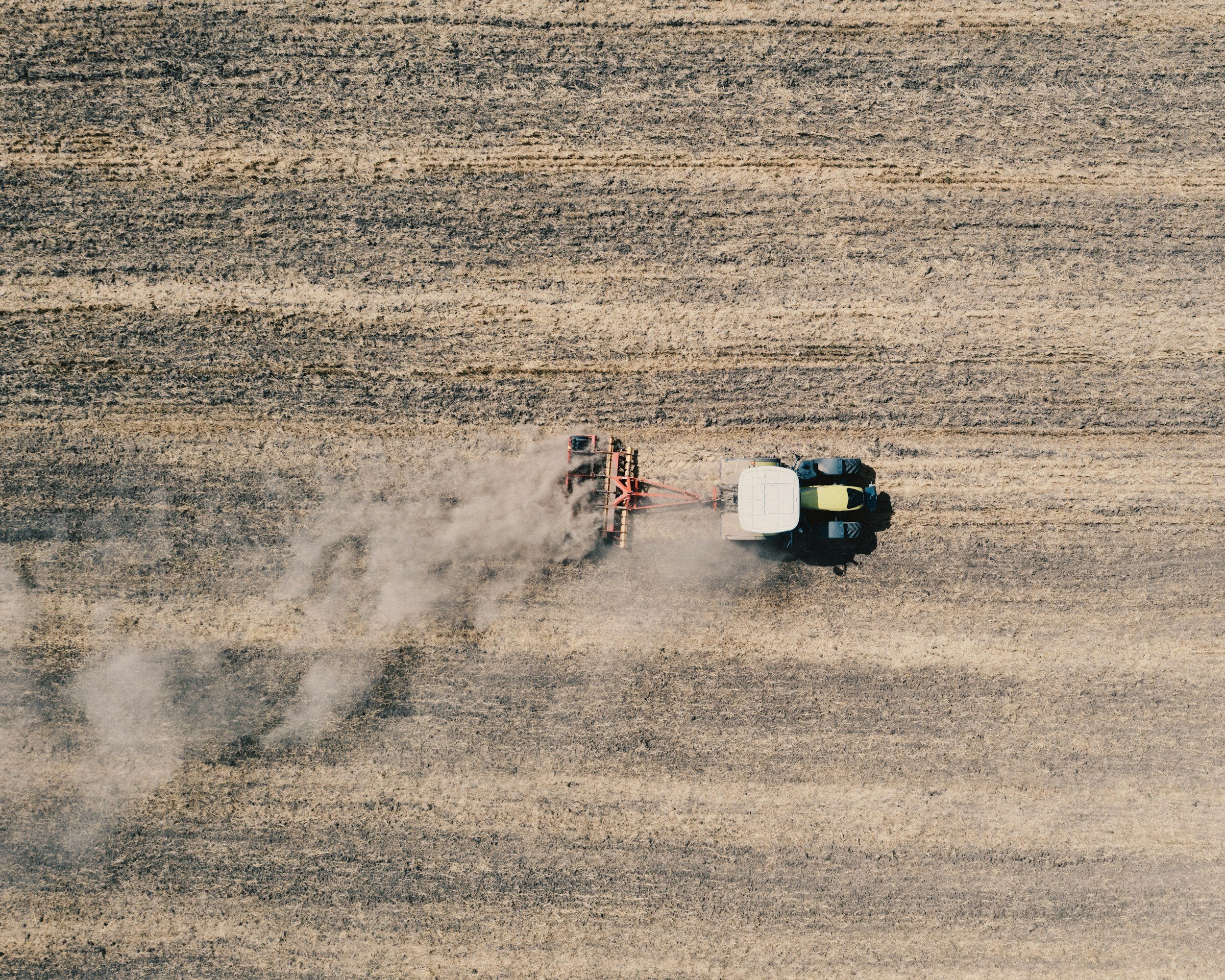
Advanced Soil Engineering, Road Stabilisation, Dust Control & Erosion Management
Afrivaar Global Solutions (AGS), together with AGS’s international engineering partner, delivers advanced soil, road, and dust-control technologies used successfully across Australia, and now being deployed through AGS in Africa, including DR Congo, Zambia, Botswana, Tanzania, Namibia, South Africa, Ghana and Angola .
These systems are engineered for mining, government infrastructure, industrial developments, and rural community networks, turning weak, dusty or water-susceptible ground into durable, long-lasting, high-performance roads.
ROAD STABILISATION
Using AGS Guardian™ Road Stabiliser Technology
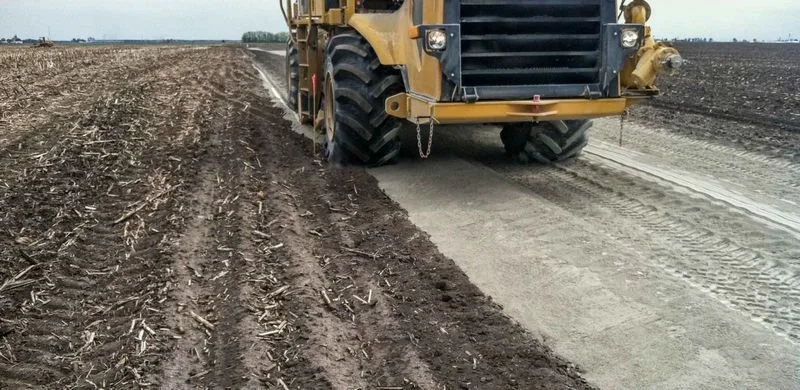
AGS’s partner-developed stabilisation chemistry chemically binds in-situ soils, converting weak granular or clay materials into highly compacted, load-bearing pavement layers.
This removes the need for expensive imported gravel or asphalt in many cases.
This technology is used widely across Australia’s mining and rural road networks, and AGS is now applying it across Central, Southern and East Africa with excellent results in tropical, semi-arid and wet clay conditions.
Applications
Mining haul roads & pit access
Rural community connector roads
Agricultural transport routes
Industrial parks & construction access roads
Internal site roads and laydown yards
AGS Step-by-Step Process — Road Stabilisation1. Site Assessment & Soil Investigation
AGS engineers analyse local soil, CBR values, Atterberg limits, particle composition, moisture content and plasticity.
Traffic loading, haul truck weights and climate factors are assessed.
This determines dosage, depth, and stabilisation method.
2. Design & Treatment Plan
AGS designs layer thickness (typically 150–300 mm).
Selects the suitable AGS Guardian™ formulation (polymer-based, enzyme-enhanced or hybrid).
Calculates application rate for soil type and required strength.
3. Surface Preparation
Clear loose material.
Grade and shape existing road.
Install drainage fall where needed.
4. Scarifying the Road Layer
Scarify ground to the stabilisation depth.
Break up clumps to ensure uniform mixing.
5. AGS Product Application
Uniform spray application of AGS Guardian™ Road Stabiliser using calibrated tankers/dosing units.
Application rate varies by soil and design thickness.
6. Mechanical Mixing
Graders or rotary mixers incorporate stabiliser into soil.
Blend until homogenised, with consistent colour and texture.
7. Moisture Conditioning
Bring soil to optimum moisture content (as per Proctor testing).
Ensure uniform moisture to avoid weak pockets.
8. Compaction
Heavy vibratory roller compacts the treated layer.
Compaction targets: typically ≥ 98% modified Proctor.
AGS conducts in-situ density checks.
9. Curing Phase
Allow 24–72 hours (depending on weather) for chemical bonding.
Light traffic permitted initially; full operations resume after cure.
10. Optional AGS Surface Seal
For dusty or high-wear areas, AGS applies a polymer sealing coat (AGS Guardian™ Surface Seal).
Provides a smooth, waterproof, dust-free finish.
11. Quality Testing & Verification
Post-treatment CBR testing.
Surface penetration resistance checks.
Rut-depth and lateral displacement measurements.
12. Maintenance Schedule
AGS provides a long-term maintenance template:
light grading intervals
retouch application if needed
inspection after heavy rain
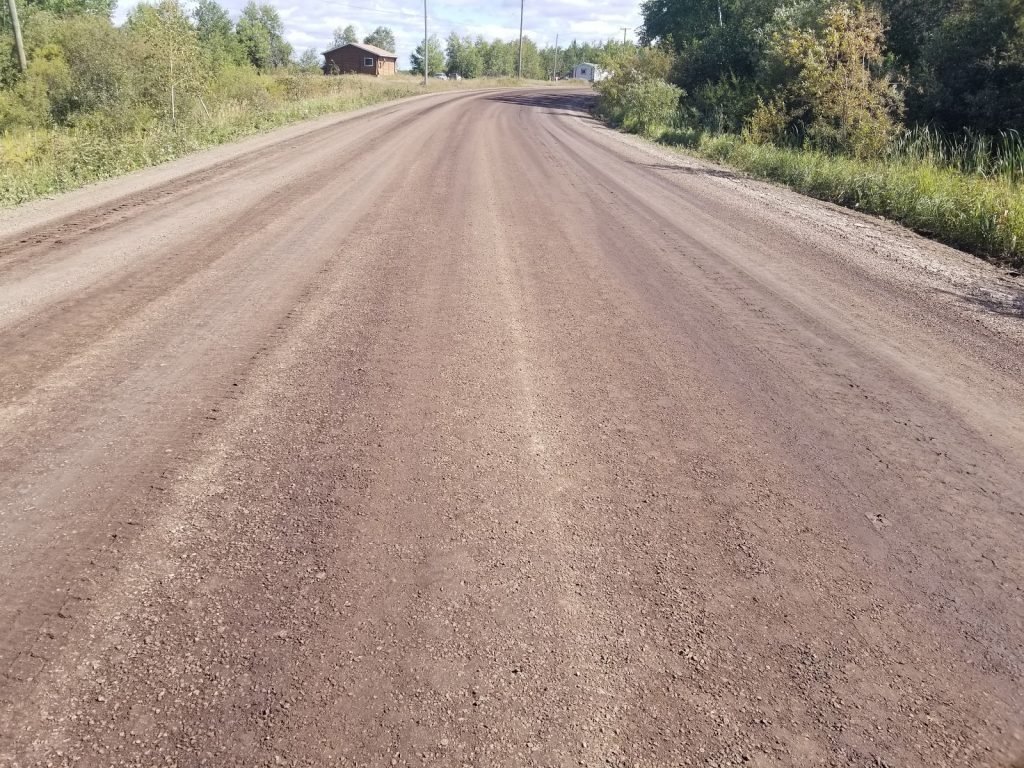
The result is a stronger-than-gravel, lower-cost, long-life road surface built using the soil already available onsite.
DUST SUPPRESSION & FUGITIVE DUST CONTROL
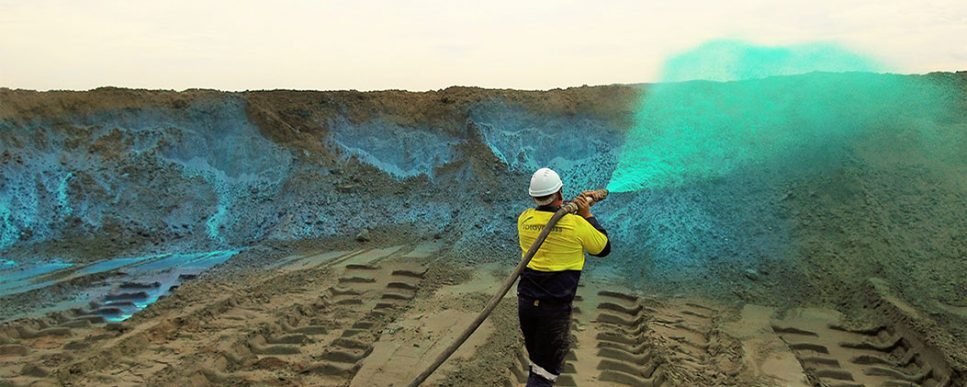
Using AGS TotalDust™ Control Systems
AGS offers a complete dust management program using proprietary binding polymers, moisture-locking agents, and surface sealants from AGS’s partner technology, applied and branded as AGS systems.
This technology is extensively used in Australian mining operations, where dust levels and PM standards are tightly regulated.
Haul roads
Access roads
Stockpiles
Loading & unloading zones
Construction corridors
Communities next to mining or quarry operations
AGS Step-by-Step Process — Dust Suppression
1. Dust Survey & Risk Assessment
AGS maps dust sources, road conditions, traffic counts and meteorology.
Baseline PM10 / PM2.5 measurements recorded.
Sensitive receptors identified (workers, villages, schools).
2. Product Selection
AGS uses different AGS TotalDust™ chemistries depending on soil type:
AGS TotalDust™ Polymer Binder – long-term sealing
AGS Hygro-Lock™ – moisture retention for clay/silty soils
AGS Stockpile Shield™ – for stockpiles and exposed materials
AGS NanoBind™ – deep penetrating fines-binding agents
3. Surface Preparation
Road trimmed to reduce loose fines.
Berms removed to allow even treatment.
4. Application
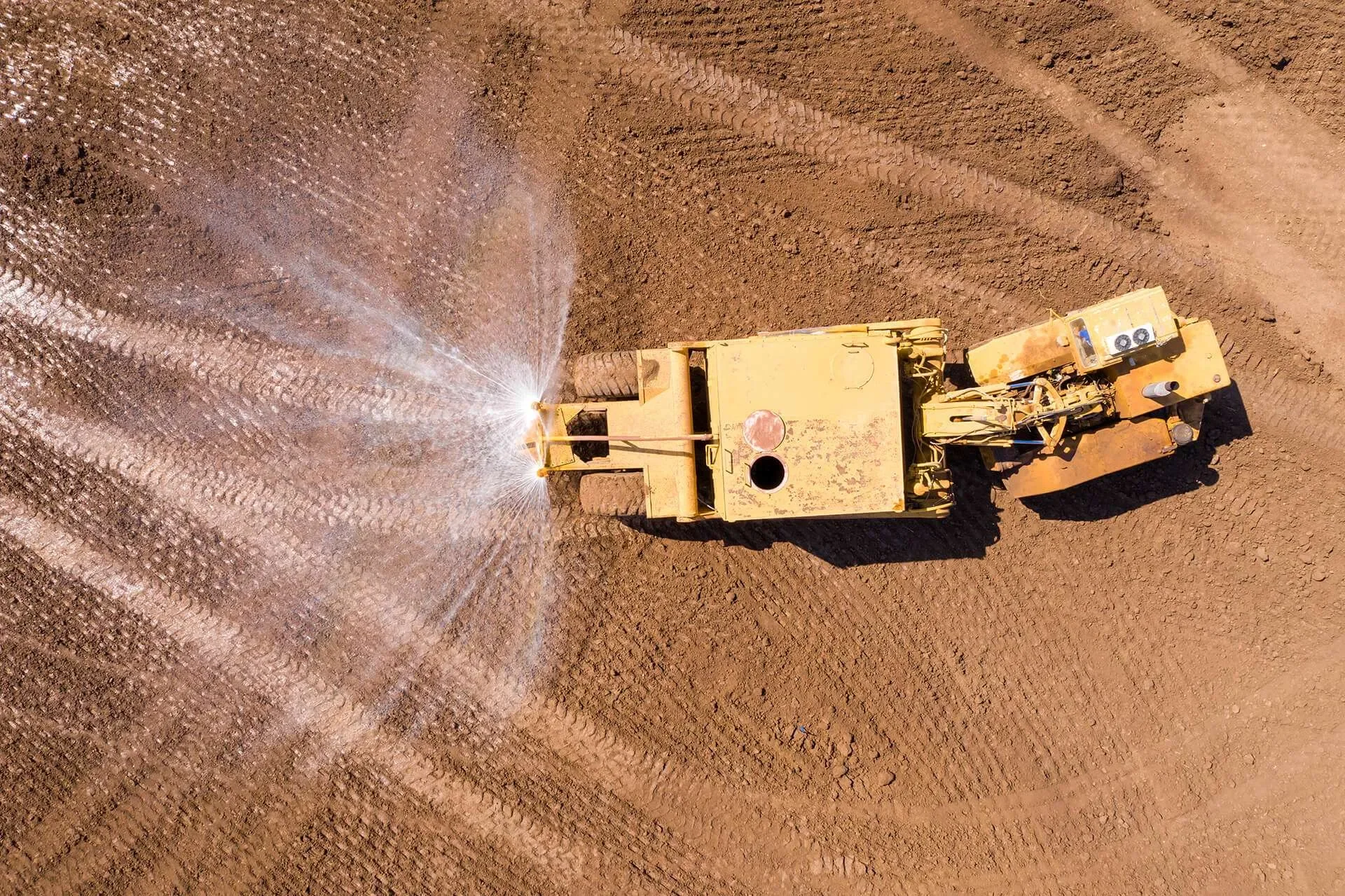
Applied using water carts fitted with AGS dosing units.
Achieve uniform coverage across full lane width.
Application rates adjusted based on CBR, fines content, and traffic volume.
5. Operational Monitoring
PM monitors installed to capture real-time dust reduction.
Road conditions observed multiple times a day during initial implementation.
6. Conditioning & Setting
Product binds dust particles and creates a semi-flexible surface matrix.
Traffic helps embed and compact the treated layer.
7. Re-application & Maintenance
Low-traffic roads: re-application every 6–12 months.
High-traffic haul roads: every 3–6 months (depending on rainfall).
AGS provides a custom O&M schedule.
8. Compliance Reporting
AGS provides documentation for environmental regulators and mining safety authorities.
tile integration.

EROSION CONTROL & SEDIMENT MANAGEMENT
Using AGS EarthGuard™ Systems
AGS delivers preventive and remedial erosion control solutions designed for:
embankments
disturbed soils
road batters
drainage channels
mine rehabilitation areas
These systems combine chemical surface bonding, slope reinforcement, and optional vegetative or geotextile integration.
This approach is widely adopted in Australian civil and mining rehabilitation programs.
AGS Step-by-Step Process — Erosion Control
1. Erosion Hazard Assessment
Map slopes, run-off patterns, rainfall intensity and soil type.
Identify high-risk erosion zones.
2. Solution Selection
Depending on severity:
AGS EarthGuard™ Surface Binder – prevents surface wash
AGS HydroCover™ – hydromulch/hydroseed for vegetation
AGS GeoArmor™ – geotextiles, meshes, erosion blankets
AGS SedimentShield™ – for drainage lines or high-flow zones
3. Earthworks & Surface Preparation
Grade slopes to stable angles.
Bench steep slopes if necessary.
Remove loose debris.
4. Binder Application / Armouring
AGS EarthGuard™ spray creates a bonded crust that resists rainfall and sheet-flow erosion.
Applied via spray systems or hydroseeder depending on surface area.
5. Structural Reinforcement (if required)
Install geotextiles, mats, or geo-cell structures.
Anchor edges and overlaps.
6. Drainage Integration
Add diversion banks, check dams, silt traps and sediment logs.
Ensure controlled flow direction.
7. Vegetation Establishment
Apply AGS HydroCover™ blend (seed + mulch + binder) to regenerate natural cover.
8. Monitoring & Maintenance
Regular visual inspections (monthly or seasonal).
Reapply binders after extreme rainfall if needed.
Maintain drainage and traps.
Nations Where AGS Is Deploying This Technology
AGS and its partner systems are currently active or being deployed in:
Australia
Used extensively in:
Queensland mining corridors
Western Australia mine haul roads
Northern Territory remote access roads
NSW rural networks
Africa & Globe (AGS contract & partnership zones)
Democratic Republic of Congo (mining corridors, rural access)
Philippines (mine haul roads, community roads)
Chile (mine access routes)
New Zealand (rural roads, hillside erosion control)
Sahel region (desert-compatible dust suppression)
South Africa (stockpile control, construction roads)
Fiji (mine rehabilitation zones)